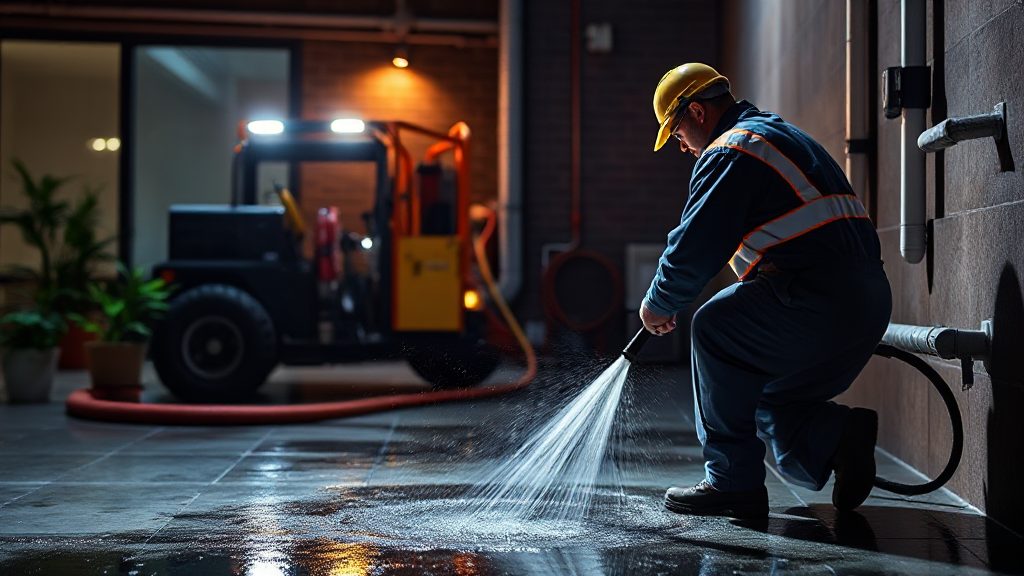
Desentupidora Paulínia vs. DIY Drain Cleaning: What Actually Happens When You Call a Pro
Most guides tell you to pour hot water, vinegar, or a chemical drain cleaner down the pipe and hope for the best. What they leave out is the part that matters: what a professional actually does that a bottle of chemicals cannot. I tested the process from the inside — calling a local team, watching the diagnosis, and comparing the outcome with every DIY method I had tried before. If you are searching for a reliable desentupidora Paulínia, this account walks through what happens from the first phone call to the final flush, and why the professional route often costs less than repeated store-bought fixes.
Why the First Ten Minutes Decide Everything
When I called, the technician asked three questions before dispatching anyone: which drains were slow, whether the problem was in the kitchen, bathroom, or outdoor area, and whether any chemical product had already been used. That last question matters more than most homeowners realize. Caustic drain cleaners can heat up inside a blocked pipe and damage PVC joints, and they leave a residue that makes mechanical clearing messier for the technician.
The dispatch process for a desentupidora Paulínia SP team typically starts with this triage call. A good company will not send a truck blindly. They want to know if the blockage is localized or if the whole property is backing up, because that changes the equipment brought to the site. In my case, two bathroom drains were slow and the kitchen sink gurgled — a pattern that suggested a shared branch line rather than a single clogged trap.
Chemical drain cleaners are the most common mistake before a professional visit. They rarely clear a full blockage, and they make the job harder for anyone who arrives later. If you have already used one, say so when you call.
What the On-Site Diagnosis Actually Looks Like
The technician arrived with a handheld camera and a manual auger before touching the main line. He removed the trap under the kitchen sink, inspected it, and found it mostly clear. That ruled out the simplest cause and pointed toward the branch line behind the wall. This step is where DIY attempts usually fail: most people stop at the trap, assume the problem is deeper, and start pouring chemicals without confirming anything.
Diagnosis for a desentupidora em Paulínia SP job often involves three checks: the trap, the branch line, and the main cleanout. If the cleanout is backing up, the blockage is in the main line and every fixture in the building will eventually be affected. If only one fixture is slow, the problem is usually local. The technician used a small camera to confirm grease buildup in the branch line, which meant the fix would be mechanical, not chemical.
Tools You Will See in a Real Service Call
- Manual auger — a hand-cranked snake for short, accessible clogs in traps and short branches.
- Motorized drain snake — a powered cable that cuts through grease and scale in longer runs.
- Hydro-jetting unit — a high-pressure water stream that scours the pipe walls, not just punches a hole through the clog.
- Inspection camera — confirms the blockage type and checks whether the pipe is damaged before and after clearing.
Each tool has a purpose. A snake opens a passage; hydro-jetting cleans the pipe. If a company only offers one method, ask why. The right choice depends on the pipe material, the clog type, and whether roots or grease are involved.
Snake vs. Hydro-Jetting: Which One Your Blockage Needs
My blockage was grease and soap residue in a two-inch branch line. The technician used a motorized snake first to establish flow, then followed with a low-pressure flush to verify the line was clear. He explained that hydro-jetting alone would have been overkill for that line, but a main line with tree roots would have needed the jetter from the start. This is the kind of judgment that separates a proper service from a quick fix.
For a desentupidora Paulínia call-out, the decision usually follows a simple rule: soft clogs in small pipes get a snake; grease, scale, and roots in larger pipes get hydro-jetting. The table below summarizes the comparison I observed during the visit.
| Method | Best For | Limitation |
|---|---|---|
| Manual auger | Traps and short branches | Cannot reach far; limited torque |
| Motorized snake | Longer branches, soft clogs | Can damage old pipes if forced |
| Hydro-jetting | Grease, scale, roots in main lines | Requires access point and proper pressure |
The right method depends on the pipe, not on what the technician prefers. A company that asks about pipe material and age before starting is one that will not crack your lines to save time.
What It Costs and Why DIY Often Costs More
I added up what I had spent before calling: two bottles of chemical cleaner, a plunger, a manual snake, and a weekend of my own time. The total was not trivial, and the drain was still slow. The professional visit cost more upfront but resolved the issue in under an hour, including the camera inspection. When you factor in the risk of damaged pipes from repeated chemical use, the DIY route is often the more expensive path.
Costs for drain clearing vary by access, blockage type, and time of day. Emergency calls at night or on weekends usually carry a premium, which is why a company that offers 24-hour service will quote differently for a 2 a.m. call than for a weekday morning. Ask for the call-out fee and the hourly rate separately, and confirm whether the inspection camera is included or billed as an add-on.
Repeated chemical treatments are the hidden cost of DIY drain care. They rarely solve the root cause, and they can turn a simple clog into a pipe replacement.
Prevention: What the Technician Told Me That No Guide Does
After clearing the line, the technician did something no guide had mentioned: he ran water through every fixture in the house to confirm the whole system was draining correctly, not just the one I had complained about. That step caught a second slow drain in a guest bathroom that I had not noticed. A partial blockage there would have become a full one within weeks.
He also recommended a simple habit change: never pour cooking grease down the sink, even with hot water, and use a strainer in every drain. For older properties in Paulínia, he suggested an annual inspection of the main cleanout, especially if the building has mature trees nearby. Roots enter through small cracks and expand over time, and a camera check catches them before they cause a backup.
Preventive Habits That Actually Work
- Scrape plates into the trash before washing; grease is the leading cause of kitchen line clogs.
- Use mesh strainers in sinks and showers to catch hair and debris.
- Flush drains monthly with hot water — not chemicals — to keep residue moving.
- Schedule a camera inspection if your property is older than twenty years or has large trees near the sewer line.
These steps do not replace professional service, but they reduce how often you need it. The technician’s point was simple: a drain that is maintained rarely becomes an emergency.
Lessons From the Call-Out
The biggest lesson was that diagnosis matters more than the tool. A company that inspects before acting will solve the problem faster and with less risk to your pipes. The second lesson was about timing: calling early, when a drain is slow rather than fully blocked, usually means a shorter visit and a lower bill. The third was about communication — a good technician explains what he found and what he did, so you can prevent a repeat.
If you are comparing options, ask three questions before booking: do you inspect with a camera, do you offer both snaking and hydro-jetting, and is the call-out fee separate from the hourly rate. The answers tell you more about the service than any advertisement. For residents and property managers in the region, a desentupidora Paulínia SP team that answers these clearly is the one worth calling.
The best drain service is the one that explains the cause, not just the fix. That explanation is what keeps the same clog from coming back next season.
Frequently Asked Questions
How long does a typical drain clearing visit take?
Most residential calls are resolved within one to two hours, including diagnosis. Main line blockages or root intrusion can take longer, especially if access points are limited.
Can I stay in the house during hydro-jetting?
Yes, but expect noise and some water spray near the access point. The technician will usually ask you to keep pets and children away from the work area until the line is flushed and tested.
What should I do if the drain backs up again after a service?
Call the same company and describe what happened. A repeat backup often means the original clog was only partially cleared or that a secondary issue, such as a collapsed pipe or root mass, was missed. A camera inspection should be the next step.